Introduction
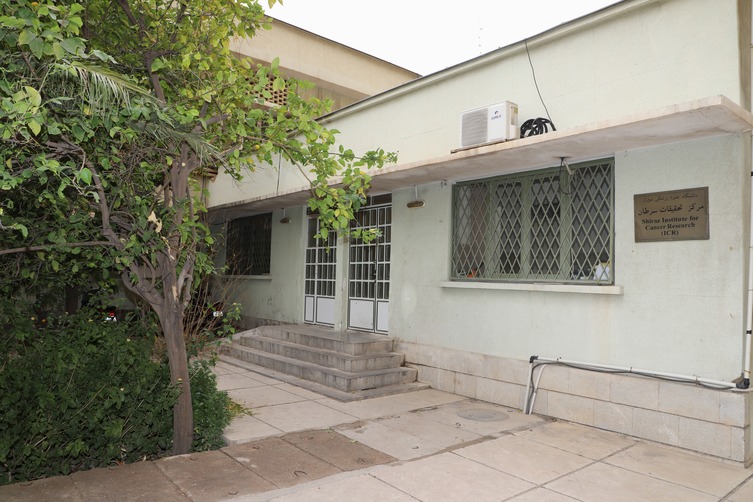
The Shiraz Institute for Cancer Research was established in 1998 at the Faculty of Medicine. In response to a national and strategic need, the center began its activities with the aim of conducting basic and applied research in the field of cancer and addressing fundamental cancer-related issues from biological and immunological perspectives. It subsequently succeeded in obtaining preliminary approval from the Ministry of Health and Medical Education.
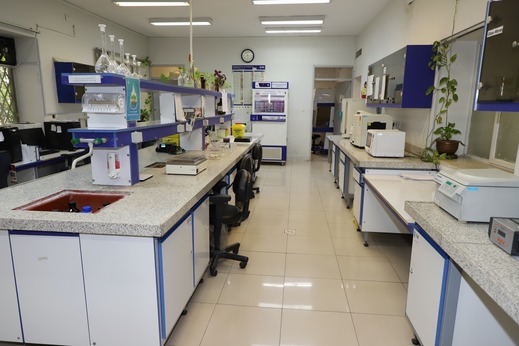
The Shiraz Cancer Research Center currently operates with six advanced research laboratories and collaborates with two specialized clinics (breast cancer and prostate cancer). The center focuses on investigating carcinogenic factors, genetic factors involved in cancer among the population of southern Iran, studying prevalent cancers, identifying and validating clinical and molecular markers for monitoring and prognostic assessment, as well as examining immune responses to tumors.
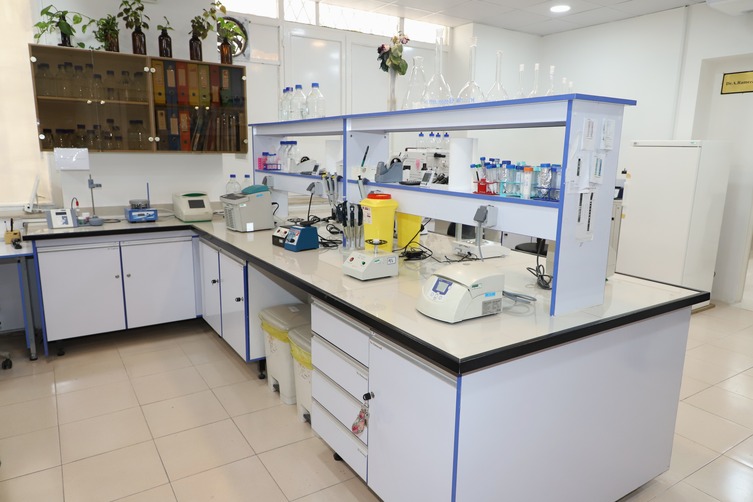
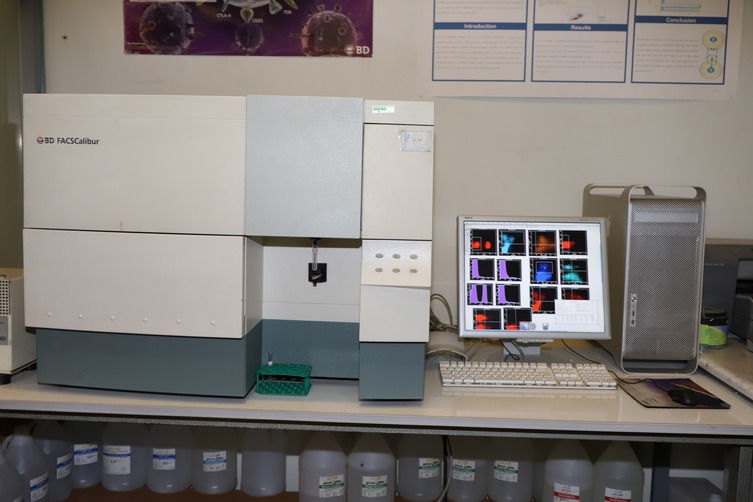
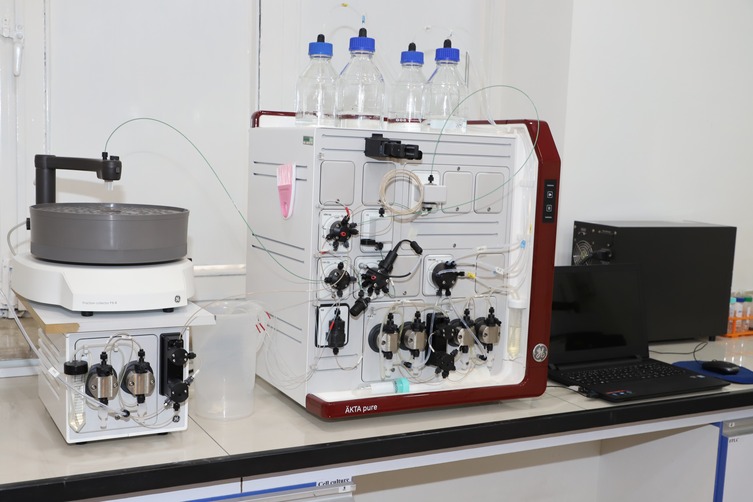
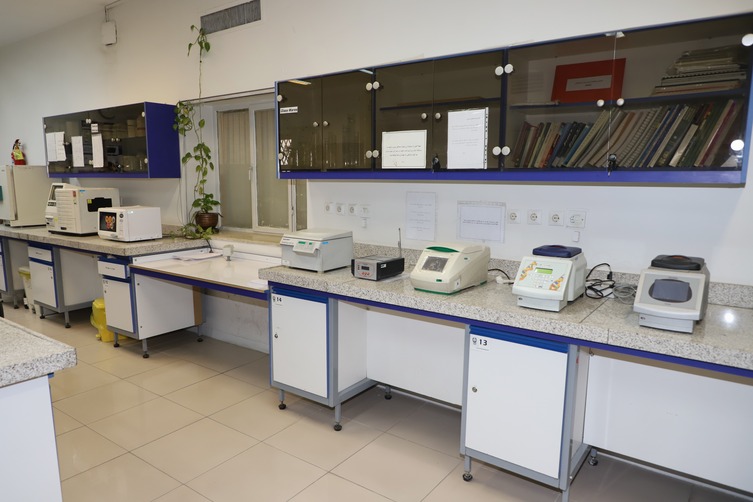
The laboratories of the center are equipped with advanced facilities for molecular, cellular, and proteomics research. These facilities include the collection and storage of patients’ biological samples such as DNA, RNA, serum, and plasma; cell culture equipment; flow cytometry; PCR and RT-PCR; gene sequencing; immunohistochemistry studies; ELISA; and Western blotting. In addition, specialized infrastructures have been established for immunology and immunotherapy research, investigation of the tumor microenvironment, biomarker identification and proteomics, production of monoclonal and polyclonal antibodies, and recombinant proteins.
By utilizing these infrastructures, the Shiraz Cancer Research Center has been able to support research projects and postgraduate theses, facilitate national and international collaborations, and play a significant role in advancing cancer science in the country. In addition to its research activities, the center accepts students and interested individuals as interns and organizes educational and hands-on workshops in molecular biology, cell biology, immunology, proteomics, and biomarkers, thereby enabling the transfer of specialized knowledge to the next generation of researchers.